
Couples Counselling in Essendon
Every relationship experiences difficult periods. You may be having the same arguments, struggling to communicate, rebuilding trust or feeling more disconnected than you once did.
Couples counselling provides a supportive, non-judgmental space where both partners can feel heard, understood and respected. Together, we’ll explore the patterns affecting your relationship and develop practical ways to communicate more safely, repair after conflict and reconnect.
How couples counselling can help:
• Feeling unheard, misunderstood or stuck in the same arguments
• Communication difficulties and recurring conflict
• Emotional disconnection
• Rebuilding trust after infidelity or other breaches of trust
• Strengthening intimacy and friendship
• Navigating differences in sexual desire and intimacy
• Understanding each other’s emotional needs
• Sharing the mental load, responsibilities and decision-making
• Premarital counselling
• Parenting and family pressures
• Blended-family challenges
• Major life transitions
• Separation or relationship uncertainty
• Creating a stronger, healthier relationship
• Seeking support early, before concerns grow
What can I expect in couples counselling? :
My goal is to support you towards a healthier, emotionally mature relationship—where both people feel valued, can express their needs, respect boundaries and take responsibility for their behaviour.
We begin with a session together, giving each of you space to share what has brought you to counselling, how you experience the relationship and what you hope will change.
You also have the option of completing the Gottman Relationship Checkup, an online assessment that you each complete separately. It explores areas such as friendship, communication, conflict, trust and intimacy, helping us understand your relationship’s strengths and the areas needing attention.
I then meet with each of you individually to better understand your personal experiences, relationship history, family background and any concerns about safety. We may explore how earlier experiences, including trauma where relevant, have shaped your beliefs and ways of responding in relationships.
Where couples counselling is appropriate, we come back together to discuss what we have learned, including your assessment results if you completed it. I explain the patterns I’m noticing in clear, everyday language and check whether this fits your experience.
Together, we clarify your goals and what they mean to each of you. For example, “better communication” might mean being able to raise a concern without an argument, while “rebuilding trust” may involve honesty, accountability and consistent changes in behaviour. We agree on priorities, and I explain the tools or exercises we will use and why they may help.
Throughout this work, I listen to both perspectives while being honest about behaviours that cause harm. I don’t assume responsibility is always equal. Where there is a power imbalance, we address it with care, looking at whether both people have a meaningful voice and can disagree freely.
Understanding where a pattern comes from allows room for compassion, alongside responsibility for its impact. Our work is to help you recognise these patterns, practise different responses and build a more respectful connection.
Where betrayal has occurred, we make space for its impact, the unresolved hurt and the changes needed to repair trust. We also clarify what moving forward means for each of you, without assuming forgiveness or a decision to stay together.
What happens in ongoing couples counselling sessions?
Ongoing sessions focus on the goals we identify together. We may explore recurring relationship patterns, practise healthier communication, work through conflict or disconnection, rebuild trust and develop practical ways to respond differently to each other.
Sessions are active and collaborative. You will both have opportunities to share your experiences, better understand each other and practise new skills.
Will we have anything to work on between sessions?
Yes. I may suggest practical exercises, communication tools or worksheets tailored to your relationship. Small changes between sessions can help you practise what we explore together and build healthier patterns at a pace that feels manageable.
How long will we need couples counselling?
There is no set number of sessions, as every relationship and situation is different. Some couples attend for a shorter period to address a specific concern, while others benefit from longer-term support when patterns are more established or trust has been significantly affected.
Standard couples sessions are 60 minutes, with extended 90-minute appointments available when you would like more time, including support following a recent betrayal or when considering separation.
Appointments are generally scheduled weekly or fortnightly, depending on your needs. We will regularly review your progress together and discuss when you feel ready to space sessions further apart or finish counselling.
Session information and fee
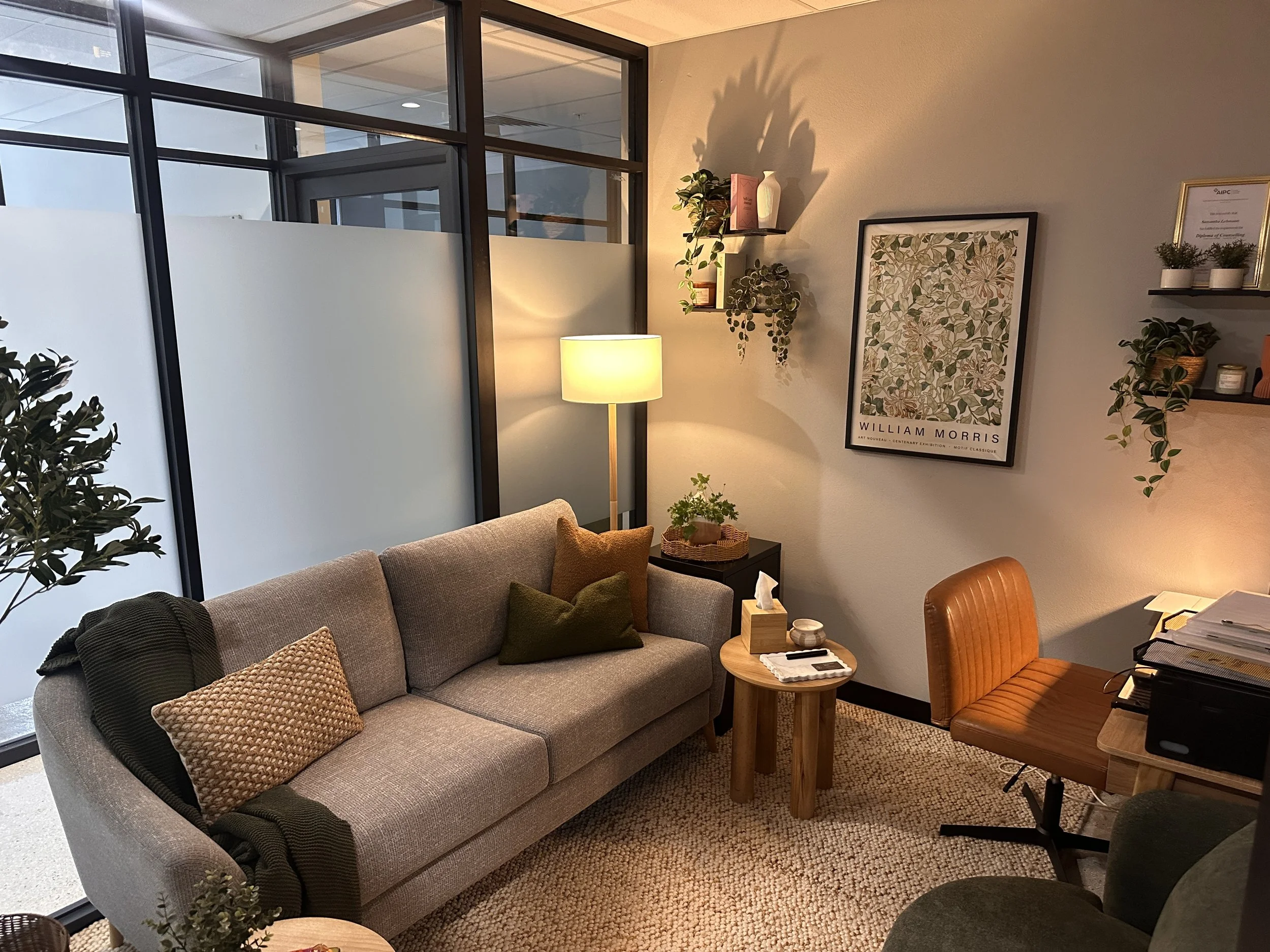
Couples counselling is currently available in person at The Connection Room in Essendon.
• 60-minute couples counselling session: $260 — $100 deposit.
• 90-minute extended couples counselling session: $310 — $150 deposit.
Extended sessions provide additional time to explore concerns, work through difficult conversations, or receive support following a recent betrayal or when considering separation.
Your deposit secures your appointment, with the remaining balance payable at your session via EFTPOS or credit card.
Not sure whether couples counselling is right for you? Book a free 15-minute discovery call to ask questions and see whether working together feels like the right fit.
Safety and suitability
Couples counselling relies on both partners feeling safe enough to speak openly and honestly. It may not be appropriate where there is current family violence, coercive control, intimidation or fear of consequences for speaking openly.
Because safety comes first, I’m unable to provide couples counselling in these circumstances. Where appropriate, I can discuss individual support or referrals to specialist services.
If you or someone you know is experiencing domestic or family violence, contact 1800RESPECT on 1800 737 732 or text 0458 737 732.
In Victoria, you can also contact Safe Steps 24/7 on 1800 015 188.
If you are in immediate danger, call 000.