
Is Couples Counselling Worth the Investment?
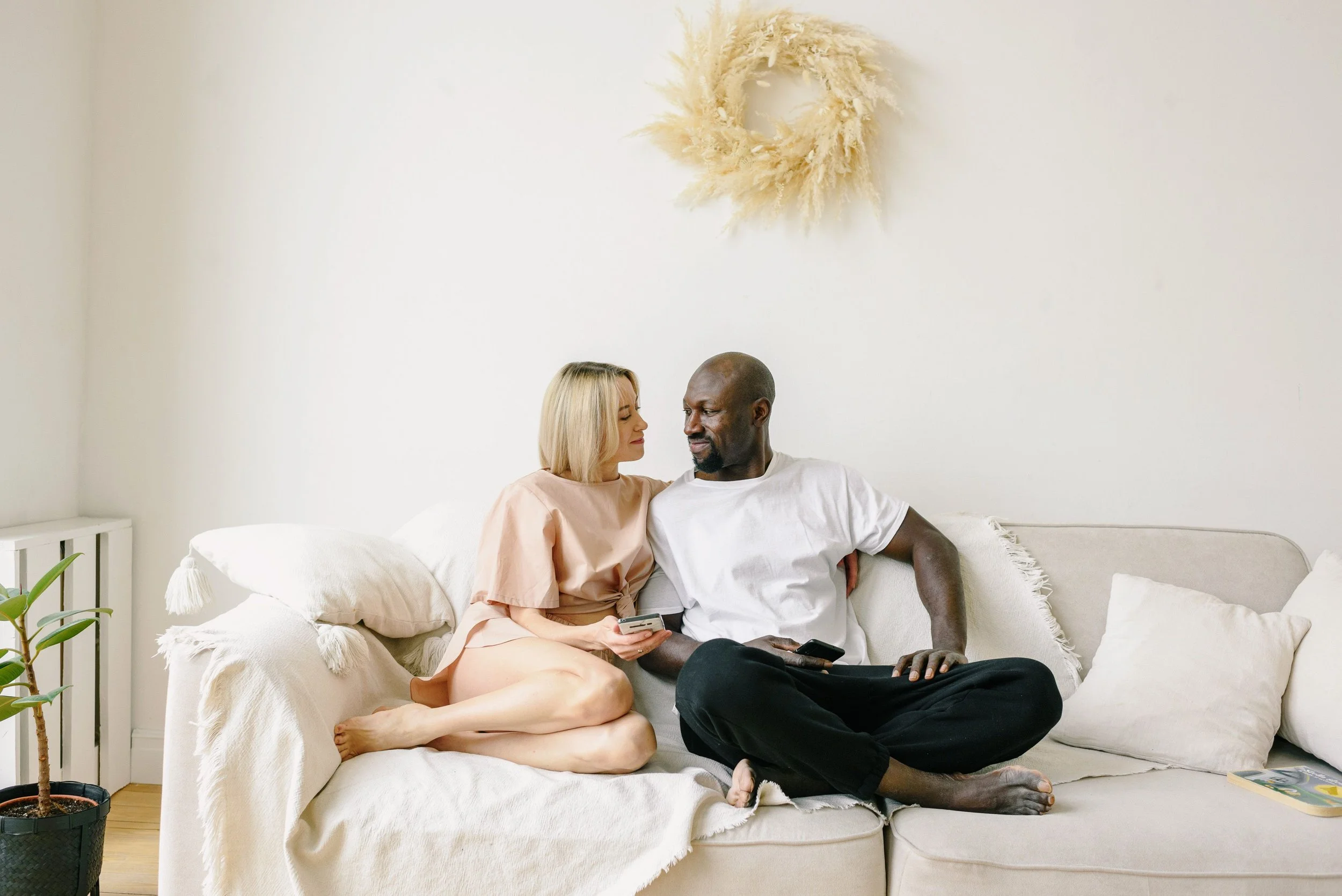
When couples consider counselling, the cost is often part of the decision.
You may notice that fees differ between counsellors, psychologists and relationship therapists. They may also vary according to location, qualifications, experience, specialised training and the length of the session.
It is reasonable to want to understand what you are paying for—and whether couples counselling is worth the investment.
Couples counselling isn’t individual counselling with an extra chair
Individual counselling focuses on one person’s experiences, needs, history and goals.
Couples counselling involves two people, each bringing their own:
Personality and communication style
Family background
Relationship history
Beliefs and expectations
Emotional wounds or trauma
Ways of responding to conflict
Hopes and goals for the relationship
Those experiences may be very different.
One person may want more closeness while the other needs more space. One may want to talk immediately, while the other needs time to process. One partner may believe the relationship can be repaired, while the other may feel uncertain about whether they want to continue.
The counsellor must hold both experiences fairly while also paying attention to what is happening between the couple.
The relationship becomes part of the work
In couples counselling, the focus isn’t only on one partner or the other. It is also on the relationship itself.
A couples counsellor listens to what each person is saying while noticing the patterns underneath the conversation.
For example:
What happens when one person feels criticised?
Does one partner pursue while the other withdraws?
Do conversations quickly become defensive?
Is one person carrying resentment that has never been resolved?
Can each partner take responsibility for their part?
Does the relationship feel emotionally and physically safe?
Couples may arrive believing that the problem is money, intimacy, parenting, household responsibilities or time together.
These issues matter. But underneath them, there may also be patterns of feeling unheard, rejected, controlled, unimportant or alone.
The counsellor’s role is to help slow these patterns down so both partners can begin understanding what is really happening between them.
Holding two people fairly takes care and skill
A couples counsellor is not there to decide who is right, take sides or determine who is “the problem.”
Both people need an opportunity to feel heard. At the same time, being balanced does not mean pretending that every behaviour is equal or acceptable.
There may be moments when one person needs to take responsibility, when hurt needs to be acknowledged or when honesty and accountability need to be addressed.
The counsellor must also consider whether couples counselling is appropriate and safe. Where there is coercive control, intimidation, family violence or fear of consequences for speaking openly, working together as a couple may not be suitable.
This assessment and responsibility are part of the complexity of couples work.
Why do couples counselling fees differ?
There is no single standard fee for couples counselling.
Fees can reflect:
The counsellor’s qualifications and experience
Additional couples or relationship training
The length of the appointment
Preparation, assessment and documentation
Clinical supervision and professional development
Practice costs and location
The structure and complexity of the work
A higher fee does not automatically mean that someone will be the right counsellor for you. Equally, choosing support based only on the lowest price may not give you the complete picture.
It is worth considering whether the counsellor has relevant relationship training, whether both partners feel comfortable with them and whether their approach suits what you need.
What are you investing in?
Couples counselling cannot guarantee that a relationship will stay together.
What it can provide is dedicated time and professional support to help you:
Understand the patterns keeping you stuck
Communicate more clearly and safely
Take responsibility without becoming overwhelmed by blame
Repair after conflict
Rebuild trust where possible
Make considered decisions about your future
Develop skills you can continue using outside the counselling room
The investment is not only in the hour you spend in a session.
It is in learning how to have the conversations you have been avoiding, understand each other more deeply and respond differently when the same difficulties arise again.
These skills may influence your relationship, your family and the emotional environment you create together.
Is couples counselling worth it?
That will be a personal decision for every couple.
It may help to consider what the current patterns are already costing you emotionally.
How much time is being spent arguing, avoiding each other or recovering from conversations that went badly? How is the disconnection affecting your wellbeing, intimacy, parenting or home life? What could change if you understood the pattern and learned a healthier way through it?
Investing in your relationship does not mean pretending that love will solve everything.
It means being willing to look honestly at what is happening, learn new skills and decide whether you are both prepared to create something healthier.
Couples counselling in Essendon
The Connection Room offers in-person couples counselling in Essendon for communication difficulties, recurring conflict, emotional disconnection, affair recovery, betrayal, rebuilding trust and relationship uncertainty.
My approach is warm, balanced and practical. My work with couples is informed by Level 1 and Level 2 training in the Gottman Method, alongside person-centred and other evidence-informed approaches.
Couples sessions are 60 minutes and cost $260.
If you would like to explore whether couples counselling is right for you, you can book an appointment or begin with a free 15-minute discovery call.
