
When relationships become a source of ongoing pain rather than comfort, the emotional toll can have a significant impact on mental health. Depression linked to relationship difficulties is more common than many people realise, affecting individuals across different stages of life and relationship types.
Whether you're experiencing ongoing conflict, feeling emotionally disconnected, recovering from a breakup or navigating the aftermath of betrayal, relationship difficulties can contribute to feelings of sadness, hopelessness, anxiety and emotional exhaustion.
Sometimes, the relationship itself becomes a source of ongoing stress. At other times, existing depression can make it harder to communicate, feel connected or manage conflict with a partner. Often, the two influence each other.
Understanding this connection is an important first step towards finding relief, improving your emotional wellbeing and deciding what support might help.
The Connection Between Relationships and Depression
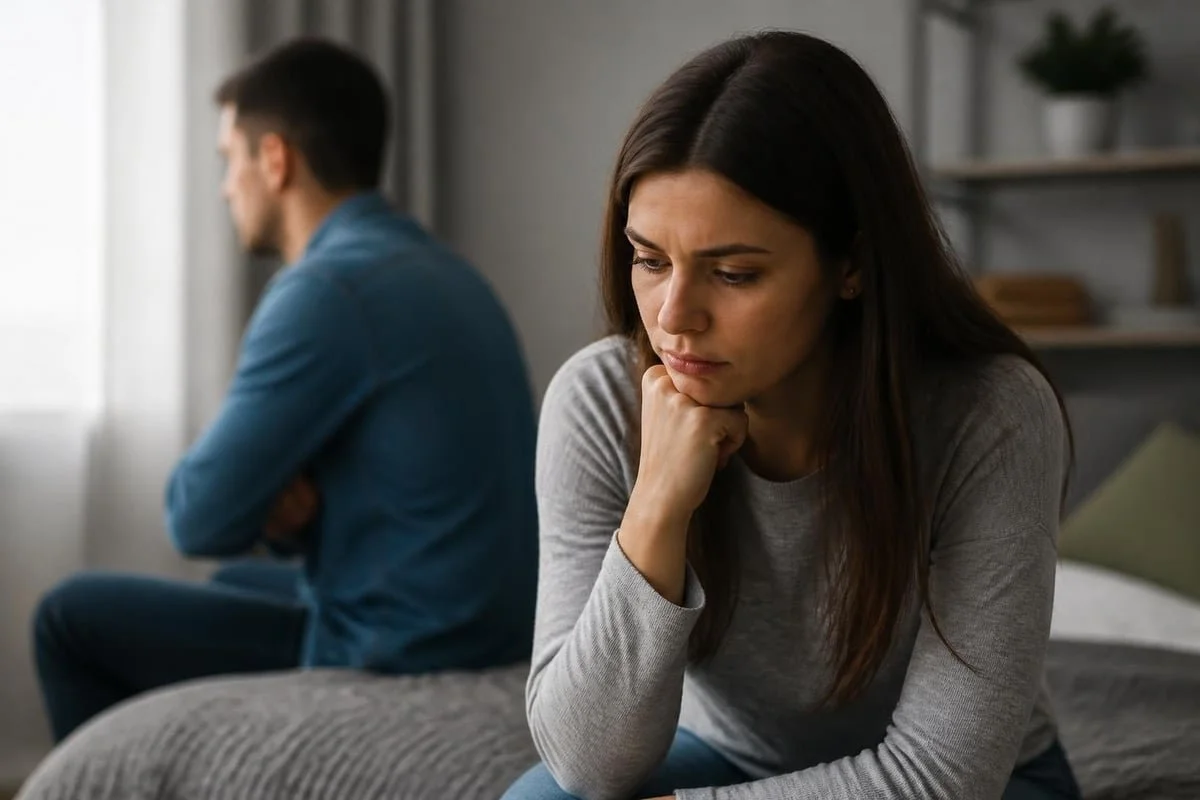
Relationships shape our emotional wellbeing in important ways. When a relationship is supportive and secure, it can provide comfort, reassurance, connection and a sense of belonging. When a relationship is struggling, the impact on mental health can be substantial.
Relationship difficulties and depression can influence each other. Ongoing conflict, emotional disconnection, loneliness and feeling unsupported can contribute to psychological distress. Equally, depression can affect a person's energy, motivation, communication and ability to engage in their relationship.
The Australian Institute of Family Studies recognises that relationship distress and mental health difficulties can form a cycle, with each potentially making the other worse.
You can read more in the Australian Institute of Family Studies research on relationship education and counselling.
Why Relationship Problems Hit So Hard
Our need for connection is fundamental. When an important relationship feels threatened, damaged or uncertain, it can create genuine emotional distress. This isn't weakness or overreaction. Feeling hurt by a relationship that matters to you is a human response.
The impact can be particularly difficult when:
You're experiencing ongoing criticism, contempt or negative interactions with your partner.
Communication has broken down and conversations regularly turn into arguments.
Trust has been damaged through infidelity, dishonesty or deception.
You feel invisible, unimportant or emotionally unsupported in your relationship.
You're walking on eggshells to avoid conflict.
Physical or emotional intimacy has significantly reduced.
You feel lonely, even when you're spending time together.
You no longer feel comfortable expressing your thoughts or needs.
Relationship distress doesn't always stem from one dramatic event. Sometimes, it is the accumulation of small disappointments, unresolved disagreements, reduced affection or the gradual realisation that you have become strangers sharing a life.
Over time, these experiences can affect your confidence, emotional security and sense of self.
Recognising Depression from Relationship Struggles
Recognising whether your low mood is connected to relationship difficulties can help you better understand what is happening and what support may be useful.
However, depression is a health condition with many possible contributing factors. It is important not to assume that relationship problems are the only cause, or that addressing the relationship alone will necessarily resolve depressive symptoms.
A GP or qualified mental health professional can help assess what you are experiencing and identify appropriate support.
Common Signs and Symptoms
Depression can affect how you feel, think, behave and function in everyday life. Symptoms may be emotional, physical and behavioural.
Emotional symptoms may include:
Persistent sadness or emptiness.
Feelings of worthlessness or low self-esteem.
Loss of interest or enjoyment in activities you previously liked.
Anxiety or worry about the future.
Emotional numbness or feeling disconnected.
Hopelessness or feeling overwhelmed.
Increased irritability or frustration.
Physical symptoms may include:
Changes in sleep patterns, including sleeping too much or struggling to sleep.
Changes in appetite or weight.
Fatigue and low energy.
Physical tension or headaches.
Reduced motivation and general exhaustion.
Behavioural changes may include:
Withdrawing from friends, family and social activities.
Difficulty concentrating or making decisions at work.
Increased irritability or angry outbursts.
Using alcohol or other substances to cope.
Avoiding going home or spending time with your partner.
Losing interest in activities you previously enjoyed.
Finding everyday responsibilities increasingly difficult.
Healthdirect provides further information about the symptoms, causes and treatment of depression in Australia.
You may also notice patterns in how you feel around your relationship. For example, your mood might become worse after an argument, when you feel rejected or when an unresolved issue comes up. You might find yourself constantly thinking about the relationship, questioning what happened or worrying about what comes next.
Some people notice temporary relief when they are away from relationship stress, only to feel distressed again when they return to the situation.
These patterns can provide useful information, but they do not establish a diagnosis or mean the depression is any less real. They may help you and your treating professional understand the circumstances contributing to your distress.
When Relationship Violence Is Involved
It is important to recognise that some relationship difficulties involve more than communication problems or disagreements. Controlling behaviour, intimidation, threats, emotional abuse, sexual violence and physical aggression can have serious consequences for mental health.
Experiencing domestic, family or sexual violence can contribute to anxiety, depression, trauma-related symptoms, fear and social isolation.
If your relationship involves controlling behaviour or violence, your emotional distress may be connected to living in an unsafe or unpredictable situation. You are not responsible for another person's abusive behaviour.
Some experiences may include:
Feeling constantly alert to your partner's mood or reactions.
Losing confidence in your own judgement.
Feeling trapped or unable to make decisions freely.
Experiencing shame, fear or isolation.
Losing your sense of identity or independence.
Feeling anxious about what might happen next.
Becoming increasingly disconnected from friends and family.
Safety must come first. Relationship counselling is not always appropriate where there is coercive control, intimidation or violence. Individual support and specialist family violence services may be a safer starting point.
If you are experiencing or affected by domestic, family or sexual violence, you can contact 1800RESPECT on 1800 737 732 for confidential support, information and safety planning.
Types of Relationship Situations That Contribute to Depression
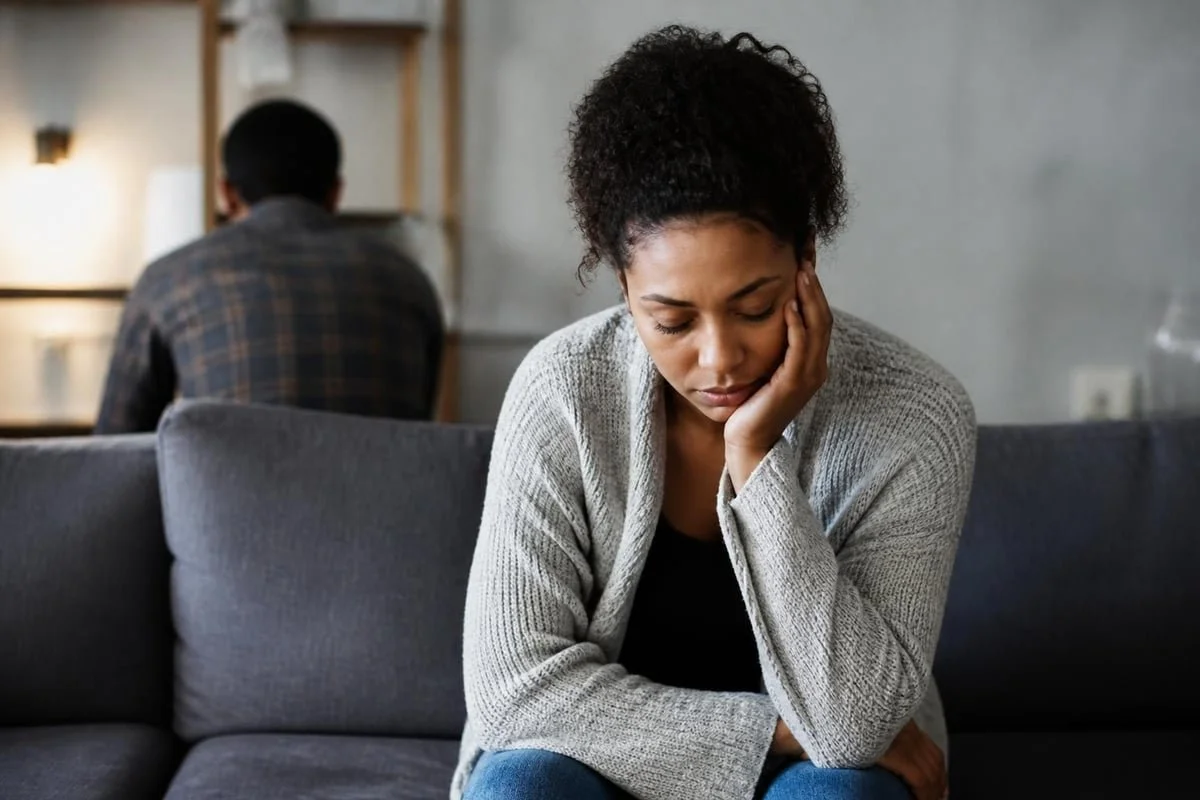
Depression and relationship distress can arise in many different circumstances. Understanding your particular situation may help you identify the support that is most appropriate.
Depression in Ongoing Relationships
When a relationship becomes a consistent source of stress, the emotional impact can gradually build.
Chronic conflict can wear down emotional resilience over time. When every conversation feels like a potential argument, and you keep having the same fight without reaching a resolution, it can become emotionally exhausting.
Emotional disconnection creates a particular kind of loneliness. You might be sharing a home, responsibilities and daily routines, yet feel completely unseen or unknown by your partner. This experience of being alone together can be deeply painful.
Sexual or physical intimacy issues can leave individuals feeling rejected, undesirable, confused or uncertain about their worth. When physical connection disappears, it can sometimes reflect deeper emotional difficulties within the relationship.
Unmet needs and expectations can gradually erode hope. Perhaps you expected emotional support but regularly experience criticism, or hoped for partnership but feel that you are managing everything alone.
A lack of emotional support can also contribute to distress. When you don't feel able to turn to your partner during difficult times, the relationship may stop feeling like a source of comfort.
Over time, these experiences can affect how you see yourself, your partner and your future together.
Depression Following Relationship Breakdown
The end of a relationship can trigger significant emotional distress and, for some people, depression. This can happen even when the relationship was unhappy or unhealthy.
A breakup is not simply the loss of a partner. It can involve losing a shared routine, a home, a sense of security and the future you imagined together.
Depression and emotional distress after separation may include:
Grief over the loss of the future you imagined.
Questioning your identity and who you are outside the relationship.
Practical stress associated with changed living arrangements and finances.
Loneliness and social isolation.
Repeatedly thinking about what went wrong or what you could have done differently.
Feeling uncertain about starting again.
Difficulty adjusting to changes in family life and daily routines.
Understanding why breakups hurt so much can help validate your experience and remind you that healing takes time.
It is important to give yourself space to process the loss rather than expecting yourself to move on immediately. If low mood persists or begins affecting your ability to manage everyday life, professional support can help.
Depression in New or Early-Stage Relationships
Depression and anxiety can also emerge early in a relationship, particularly when the relationship brings up uncertainty, insecurity or familiar but unhelpful patterns.
You might find yourself constantly questioning how your partner feels, worrying about where the relationship is heading or feeling anxious when communication changes.
Relationship anxiety and depressive symptoms can sometimes occur together. Anxiety about the relationship's stability may contribute to negative thoughts and emotional exhaustion, while low mood can make it harder to feel secure and confident.
Early relationship experiences can also bring up previous hurts, fears of rejection or concerns about being abandoned.
Recognising these patterns can help you understand what is happening and decide whether individual or relationship support would be useful.
How Relationship Depression Differs from Other Depression
It can be tempting to separate depression into categories based on whether it appears to be connected to a relationship or another part of life. However, depression is complex, and there is no separate clinical diagnosis called relationship depression.
Relationship difficulties can be one contributing factor among many. Other factors may include previous experiences, trauma, physical health, family history, life stress, financial pressures and changes in circumstances.
There are, however, some relationship patterns that may be useful to explore when trying to understand your emotional wellbeing.
Changes in mood around relationship interactions
You might notice that your mood becomes particularly low after arguments, periods of disconnection, criticism or feeling rejected. Positive interactions may provide some relief.
Recurring triggers or patterns
You may be able to identify particular situations that consistently contribute to distress, such as unresolved conflict, uncertainty about commitment, betrayal or feeling unsupported.
The impact of depression on the relationship
Depression can also make it harder to communicate, show affection, participate in activities or respond to your partner. This can create further misunderstandings and distance.
The importance of addressing both areas
When relationship difficulties and depression are influencing each other, it can be helpful to consider both individual mental health support and the relationship itself.
Evidence reviewed by the Cochrane Collaboration suggests that couple therapy may be a useful treatment option for some people experiencing depression, particularly where relationship difficulties are also present. You can read more in this review of couple therapy for depression.
This does not mean individual therapy or medication are unnecessary. The most appropriate approach depends on the person's circumstances, symptoms, preferences and safety.
When to Seek Professional Support
Many people hesitate to reach out for help. They may wonder whether their feelings are serious enough, whether they should wait for things to improve or whether their relationship problems are something they should be able to manage themselves.
You do not need to wait until things become overwhelming before seeking support.
Early support can help you understand what is happening, identify contributing factors and develop strategies to protect your emotional wellbeing.
Signs It's Time to Get Support
Consider speaking with a GP or mental health professional if:
Your low mood has continued for two weeks or more.
You are withdrawing from friends, family or activities you previously enjoyed.
You are having thoughts of self-harm or suicide.
You are struggling to function at work or manage everyday responsibilities.
You are using alcohol or other substances to cope.
You feel hopeless about your relationship or your future.
You have lost interest in activities that previously brought you enjoyment.
Your sleep, appetite, energy or physical health is being affected.
Relationship stress is taking up much of your time and emotional energy.
If you are having thoughts of suicide or self-harm, please reach out for support. If you are in immediate danger, call 000. You can also contact Lifeline on 13 11 14, available 24 hours a day.
You do not have to bring your partner to begin addressing relationship-related distress. Individual relationship counselling can help you understand relationship patterns, build emotional skills and clarify what you need, whether that is within your current relationship or outside it.
Treatment Approaches That Help
There is no single approach that works for everyone. Support may involve individual counselling, couples counselling, medical treatment or a combination of approaches.
Individual counselling
Individual counselling provides a space to explore your emotions, understand contributing factors and develop strategies for managing difficult experiences.
It can help you:
Understand how relationship experiences are affecting your wellbeing.
Identify patterns that may be contributing to distress.
Rebuild confidence and self-esteem.
Develop healthier boundaries.
Improve emotional regulation and coping strategies.
Clarify what you need from your relationship and your life.
A counsellor can also help you consider whether further assessment or support from a GP, psychologist or psychiatrist may be appropriate.
Couples counselling
For people whose emotional distress is closely connected to relationship dynamics, Couples Counselling may provide a structured space to understand what is happening between them.
Couples counselling can help partners:
Recognise recurring patterns that lead to conflict or disconnection.
Understand how their interactions affect each other's emotional wellbeing.
Communicate needs and concerns more effectively.
Repair after disagreements.
Rebuild emotional connection and trust where appropriate.
Explore whether both partners are willing and able to work towards change.
The aim is not to assign blame or decide that one person is responsible for everything. It is to understand the relationship dynamic and identify what needs to change.
Couples counselling is not appropriate in every situation. Where there is coercive control, intimidation or violence, individual and specialist support should be considered before any joint intervention.
Medication and medical support
Medication may be recommended by a GP or psychiatrist, particularly when depression is moderate to severe or symptoms are significantly affecting daily functioning.
Antidepressant medication can be helpful for some people. A GP can discuss the potential benefits, risks and other treatment options, and monitor how you are responding.
Combination approaches
For some people, a combination of psychological support, medical treatment and practical changes may be most helpful.
Healthdirect provides an Australian overview of depression treatment and available support.
Building Resilience and Recovery
Whether you're working to improve your current relationship, healing from a breakup or deciding what comes next, there are steps that can support your emotional wellbeing.
Recovery is not simply about fixing the relationship. It also involves looking after yourself, rebuilding your sense of identity and developing a broader support network.
Individual Healing Work
Rebuild your sense of self.
Relationship difficulties and depression can sometimes affect how you see yourself. You may become so focused on the relationship, your partner's needs or trying to resolve conflict that you lose touch with your own interests and priorities.
Maintaining a sense of self in relationships is important for both individual wellbeing and relationship health.
Consider reconnecting with aspects of yourself that exist outside the relationship:
Identify activities you once enjoyed and gradually reintroduce them.
Spend time with friends and family who help you feel supported and valued.
Journal about your values, strengths and aspirations.
Set small, achievable goals that are unrelated to your relationship.
Practise self-compassion rather than self-criticism.
Make time for rest, movement and activities that support your wellbeing.
Address underlying patterns.
Sometimes, relationship distress can highlight deeper patterns in how we relate to others, what we expect from relationships, how we respond to conflict or what we believe we deserve.
Exploring these patterns with a counsellor can help you develop a better understanding of yourself and make healthier choices in future relationships.
Relationship Repair Work

If you and your partner are both committed to improving your relationship, there are practical areas you can begin working on.
Improve communication patterns.
Learning how to communicate your needs, boundaries and feelings without defensiveness, criticism or contempt can help change the way you interact.
Rebuild emotional connection.
Building emotional connection requires consistent effort, particularly when depression, stress or ongoing conflict has created distance.
Small everyday moments of interest, affection and support can help partners begin to reconnect.
Create safety in conflict.
When arguments repeatedly lead to distress, learning to navigate common relationship challenges without escalation or withdrawal becomes important.
Some helpful practices include:
Helpful practices:
Taking a break when a discussion becomes too heated.
Using "I feel" statements to explain your experience.
Listening to understand rather than simply preparing a response.
Taking responsibility for your own behaviour.
Returning to difficult conversations when both people are calmer.
Seeking support when you feel stuck.
Practices to avoid:
Using the silent treatment as punishment.
Repeatedly bringing up past grievances without working towards resolution.
Dismissing or minimising your partner's feelings.
Blaming your partner for every problem in the relationship.
Continuing an argument when either person is overwhelmed.
Suffering in silence simply to keep the peace.
Remember, you don't have to wait until your relationship is in crisis to seek support. Early intervention can help address patterns before they become more entrenched.
When Separation Is the Healthier Choice
Sometimes, improving your emotional wellbeing may involve leaving the relationship.
This does not automatically mean that you have failed or that you did not try hard enough. It may mean recognising that the relationship is no longer healthy or that the changes needed are not happening.
If you are considering separation, it is important to give yourself time and support to think through your options, particularly where children, finances, housing or safety are involved.
Separated but still finding your feet explores some of the challenges people experience during this transition.
Allow yourself time to grieve, adjust and rediscover who you are outside the relationship. Emotional distress may increase initially as you process the loss and changes in your life. Support from friends, family and professionals can help you navigate this period.
If you are experiencing depression, it is important to continue accessing appropriate mental health care rather than assuming that separation alone will resolve your symptoms.
The Broader Context: Connection and Mental Health
Depression linked to relationship difficulties does not exist in isolation from the rest of our lives.
Friendships, family relationships, work, community connections and social support all contribute to our sense of belonging and emotional wellbeing.
When life becomes busy or stressful, people can gradually become more disconnected from the relationships and activities that usually support them.
When your primary relationship is also a source of ongoing pain, you may feel as though you have nowhere to turn.
Building a broader support network can help:
Reconnect with friends and family members you trust.
Join groups or activities that reflect your interests and values.
Make time for friendships rather than relying solely on your partner for emotional support.
Consider support groups for people experiencing similar challenges.
Become involved in your local community.
Seek professional support without feeling ashamed.
Beyond Blue's information about relationships and mental health offers further guidance on how stress can affect connection and communication, and practical ways to strengthen relationships.
Your relationship struggles don't mean you're broken. They mean you are navigating a difficult experience that deserves care, understanding and support.
Moving Forward with Hope
Recovery from depression associated with relationship difficulties is possible, whether that recovery happens within your current relationship, after leaving it or while you are deciding what comes next.
The emotional pain you are experiencing is real, and it deserves attention.
Understanding that relationship difficulties may be contributing to your depression does not minimise what you are going through. Instead, it can help identify areas where meaningful support and change may be possible.
With appropriate support, you can learn healthier ways of relating, rebuild your connection with yourself and potentially strengthen your relationships with others.
The journey is not always straightforward. Some days will feel harder than others. Progress might look like having a difficult conversation without shutting down, attending a social event you would normally avoid, setting a boundary or simply getting through a difficult day without becoming consumed by relationship worries.
Small steps can make a difference. With support, patience and care for your wellbeing, it is possible to move towards a life where relationships enhance rather than erode your mental health.
You can also explore how to build lasting, healthy connections.
Relationship Difficulties and Depression: How The Connection Room Can Help
Depression and relationship difficulties can feel overwhelming and isolating, but you do not have to navigate them alone.
Whether you're trying to understand what is happening in your relationship, working to rebuild connection, experiencing emotional disconnection or finding your way through separation, professional support can help you gain clarity and explore a way forward.
At The Connection Room in Essendon, we provide individual counselling and couples counselling in a supportive, respectful and confidential setting.
We understand that relationship difficulties can affect more than the relationship itself. They can influence your confidence, emotional wellbeing, sense of identity and how you experience everyday life.
Counselling provides an opportunity to explore these experiences, understand unhelpful patterns and identify what needs to change.
If you would like support with your relationship or your emotional wellbeing, you are welcome to contact The Connection Room to find out more about our counselling services.
You can also explore our couples counselling services in Essendon.
